CSPL investigates language processing and cognition in bilingual and multilingual speakers, with particular attention to the linguistic diversity of Nepal. Our work examines how multiple languages are represented, activated, and controlled, and how multilingual experience interacts with literacy, learning, and cognition.
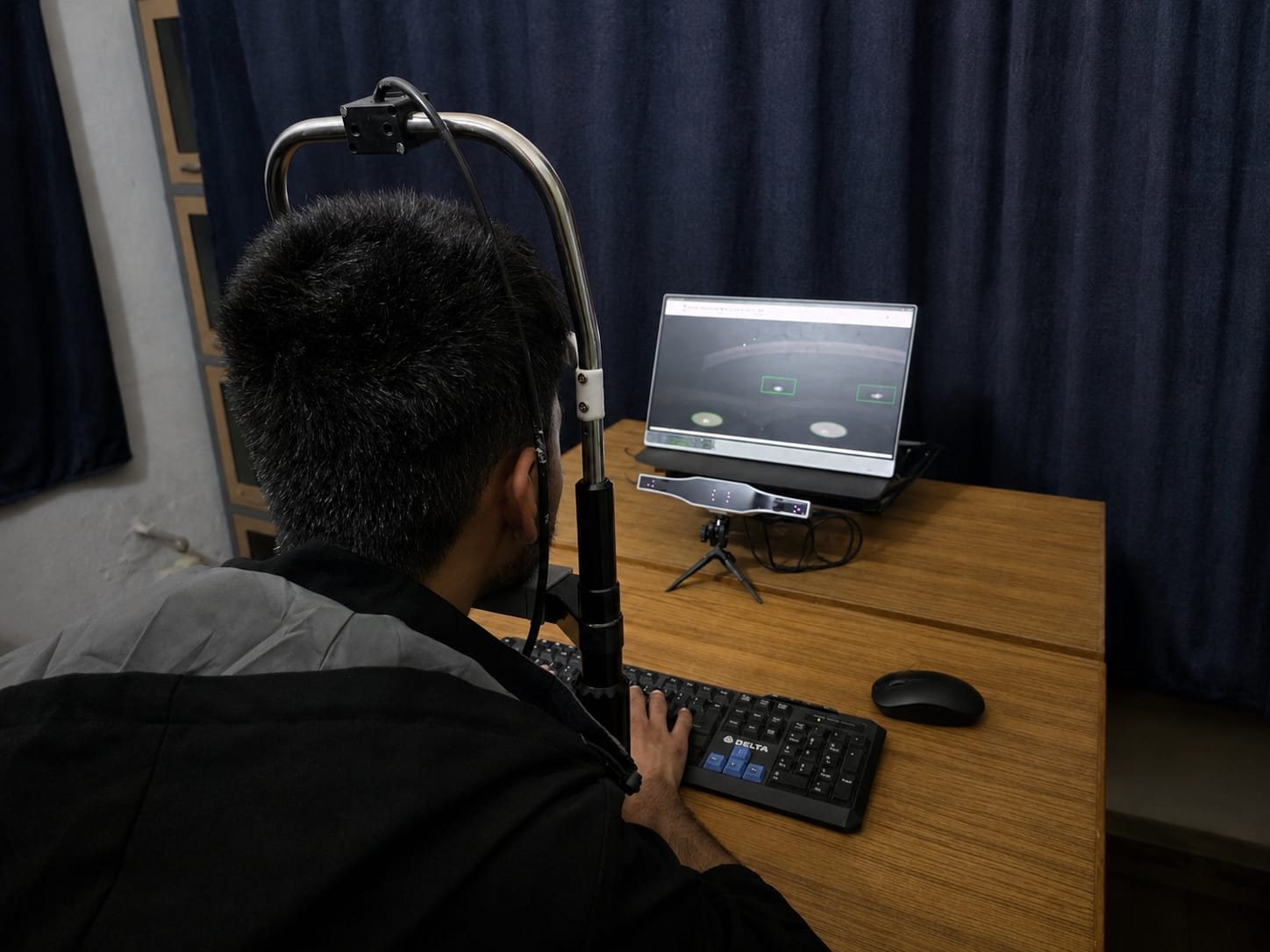
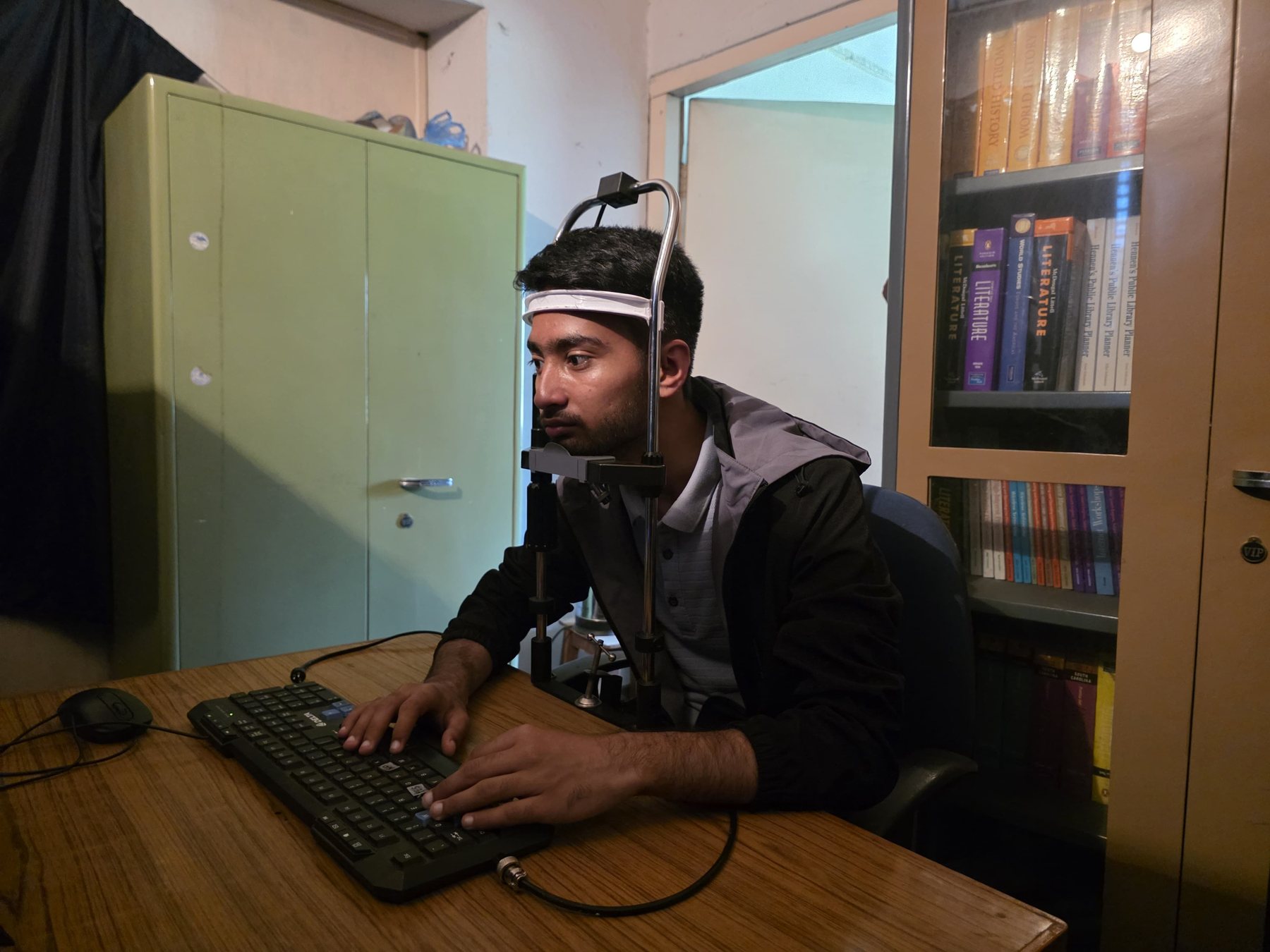
CSPL uses process-tracing methods such as eye-tracking and mouse-tracking to study how language and cognition unfold over time during experimental tasks.
How do bilingual and trilingual speakers manage multiple languages at once? We study the activation, selection, and inhibition of competing languages during comprehension and production, and what these processes reveal about cognitive control.
We examine how bilingualism, biliteracy, language of instruction, and multilingual experience relate to cognitive abilities across different populations and educational contexts.
Our work also examines language acquisition, the cognitive consequences of language instruction, and cross-linguistic variation in domains such as spatial cognition and language processing.
CSPL uses behavioural and process-tracing methods to investigate how language and cognitive processing unfold over time.
Mouse-tracking records the trajectory and timing of hand movements as participants respond to linguistic and cognitive stimuli. These trajectories provide a continuous behavioural measure of competition and decision dynamics.
Eye-tracking records where and for how long participants look while reading or viewing experimental stimuli. Fixations and gaze paths allow us to study lexical processing, visual attention, and language-related competition as they unfold.